What is Obstructive Sleep Apnea?
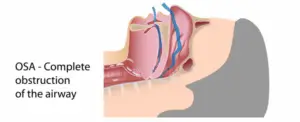
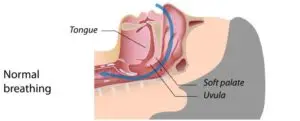
Obstructive Sleep Apnea (OSA) is the most common type of sleep-related breathing disorder. It happens when the muscles in the upper airway relax too much during sleep. This causes the airway to narrow or close completely, leading to repeated pauses in breathing called apneas. When breathing stops, the level of oxygen in your blood drops. Your brain then senses the lack of oxygen and briefly wakes you up so you can reopen your airway and breathe again.
These awakenings are usually very short and often you won’t remember them. However, they can happen many times throughout the night. This prevents you from getting deep, restful sleep. As a result, you may feel tired, groggy, or unfocused during the day—even if you think you slept long enough.
Low oxygen levels and poor sleep put extra stress on your heart, blood vessels, and other organs. If OSA is not treated, it can increase your risk of serious health problems such as high blood pressure, heart disease, stroke, and type 2 diabetes. It can also cause mood changes, irritability, headaches, and difficulties with memory and concentration.
The good news is that OSA is a highly treatable condition. Effective treatments can help keep the airway open during sleep, allowing you to breathe normally and get the rest your body needs. Treating OSA can improve your energy, focus, and overall quality of life, while also reducing your risk of long-term health complications.